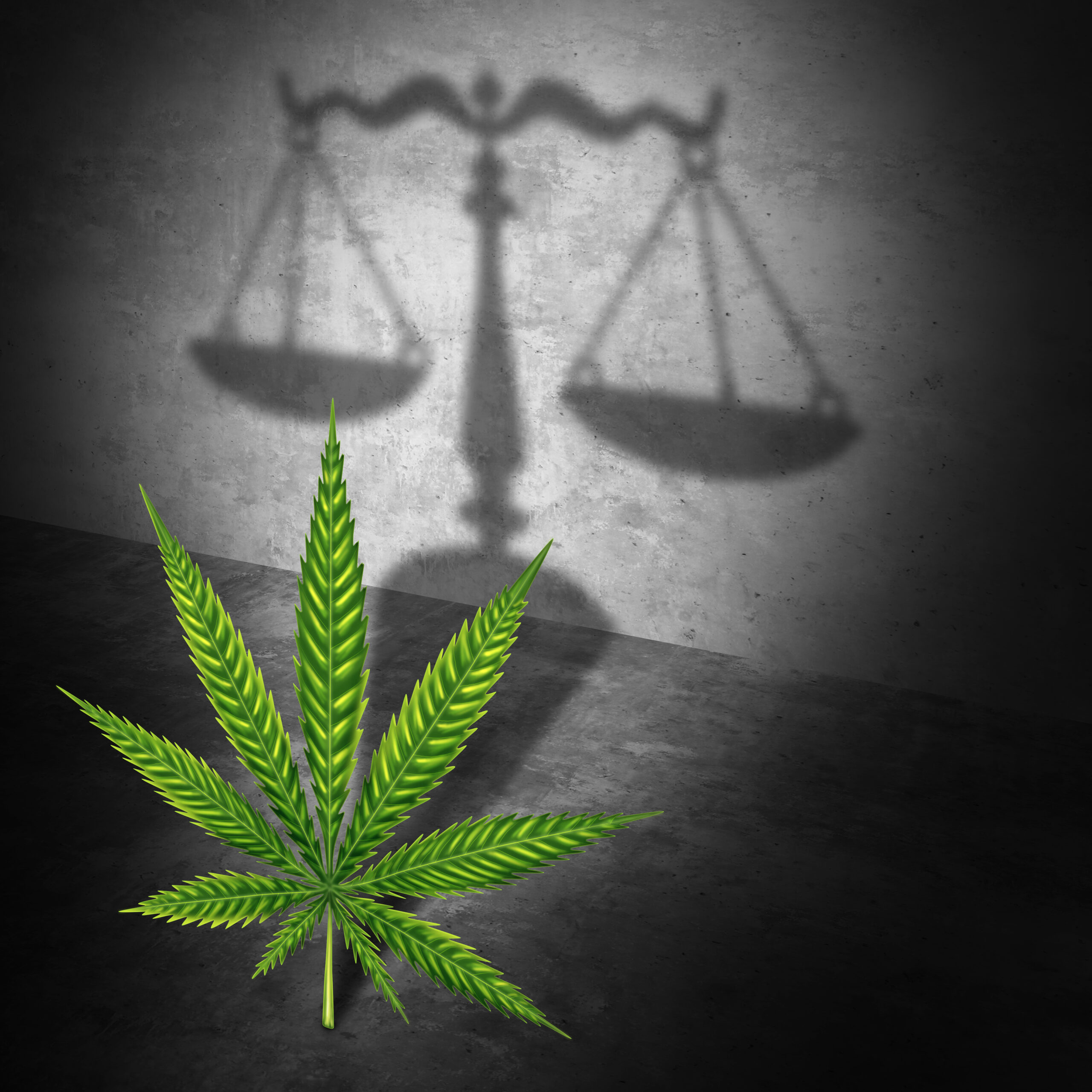
What Happened After A Decade Of Legal Weed In California?
Tl;dr: nothing close to what the naysayers promised would happen.
Tl;dr: nothing close to what the naysayers promised would happen.

Swing state voters weigh in.

Grounded in authoritative content and verified at every step, Protégé is the only legal AI tool that delivers work you can trust—without exception.
This change would sever quite a few barriers to business.
Mexico has the necessary experience, natural resources, and work force to become one of the largest producers of cannabis in the region.

The career advice you need to hear.

Sucks to suck, Kansas.

A conversation with Trustpoint.One CEO Christopher Gallagher.
These results are striking in that they are contrary to the stereotypical portrayal we see of cannabis users on TV and in movies, who are portrayed as lazy and apathetic 'stoners.'
Cannabis stakeholders should proceed cautiously given the legal status of THC but also due to testing and mislabeling failures that have resulted in a growing number of consumer class-action lawsuits and other litigation.
In a nutshell, the Source Rule is a method used to assess the legality of a cannabis material based on where the material comes from.
If you think you know everything there is to know about what goes into practicing cannabis law, think again.

AI can accelerate document review, but metrics alone aren't enough. Learn how Managing Attorney oversight turns AI-driven review into a more adaptive, strategic and defensible process.

* The line of men prepared for Jan. 6th 2: Treasonous Bugaloo is already starting to form. [Newsweek] * Weed is legal in Virginia — unless you’re on a college campus. How else will students earn high scores? [Richmond Times-Dispatch] * The fight to push history out of schools is targeting libraries now. Totally normal. [UPI] * Burning out from zealous advocacy? This is probably worth looking at. You can’t file complaints when you’re a pile of ash, ya know. [National Law Review] * Cali’s legal bud market may grind to a standstill without tax cuts and more shops. [The Columbian]
Lawyers from the Pro Bono Partnership weigh in on a ‘work in progress.’
Cannabis companies should understand that selling goods on a website that is not broadly accessible is an invitation to be sued.

By 2022, U.S. companies are expected to spend up to $15 billion on influencer marketing.

There is a big difference between proclaiming expertise in an emerging practice area and actually delivering a top-flight offering.